




Ski Boots

    Filter

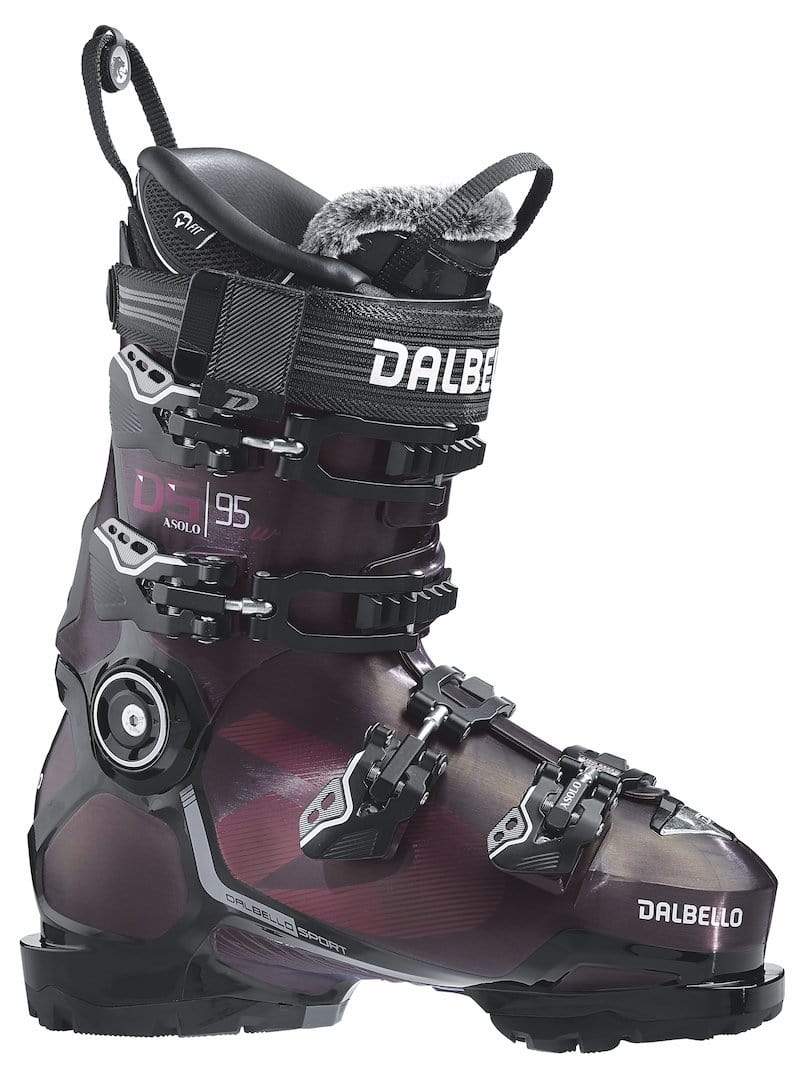
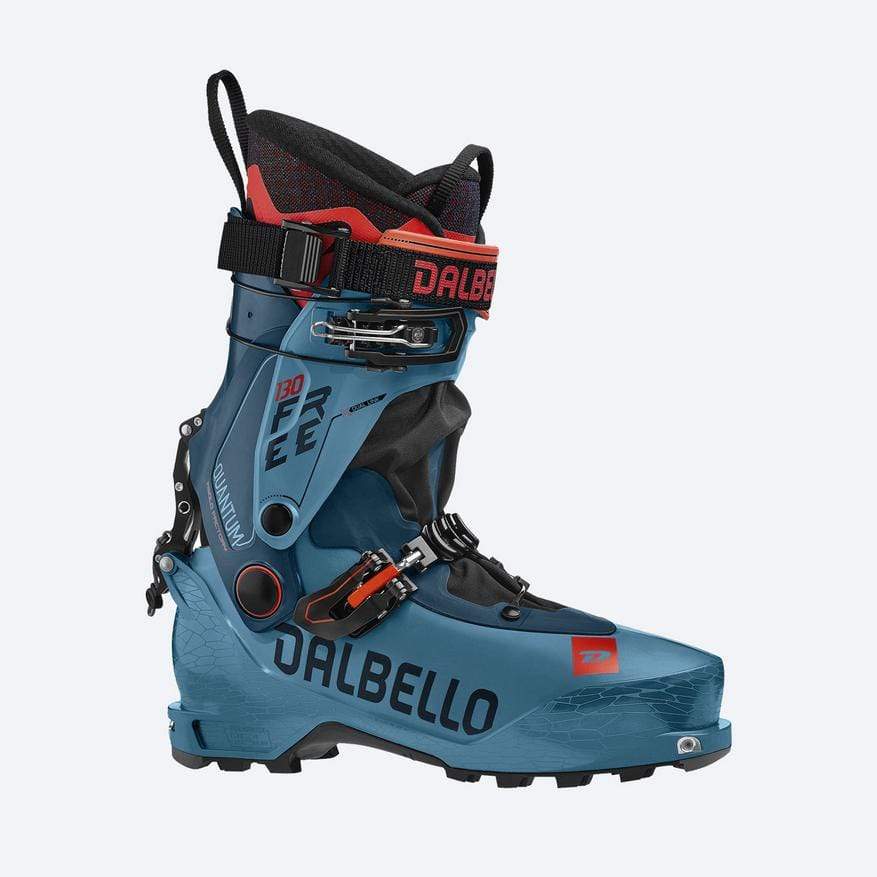
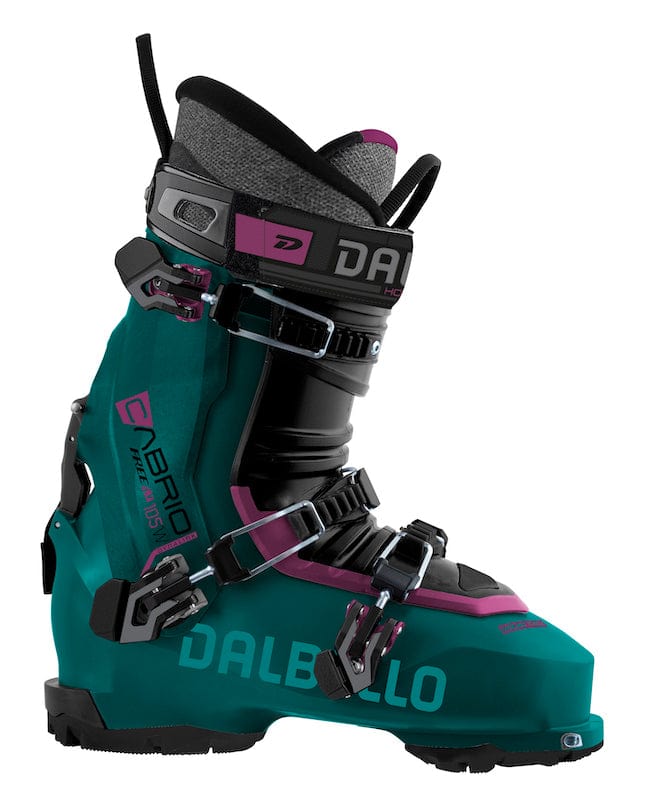
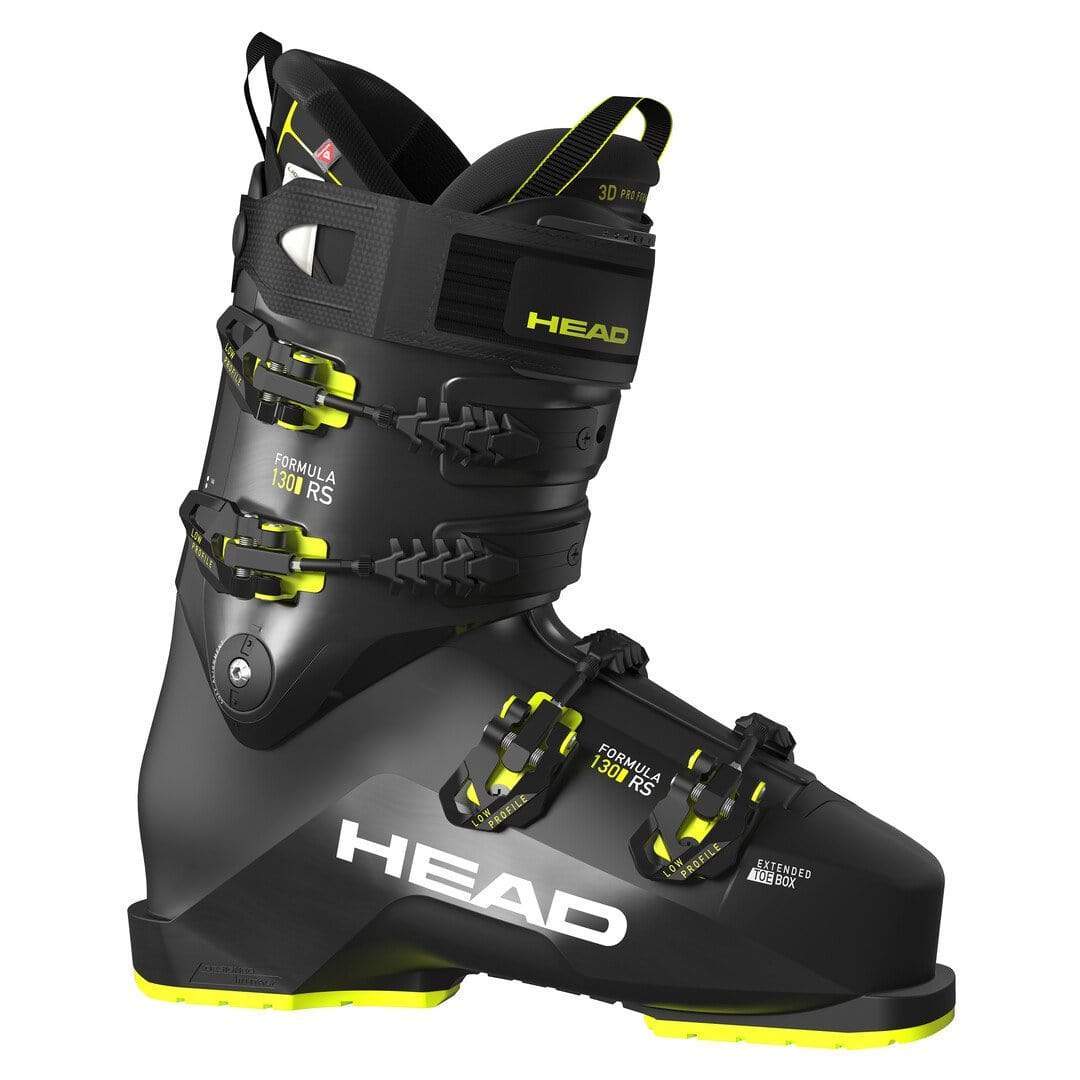
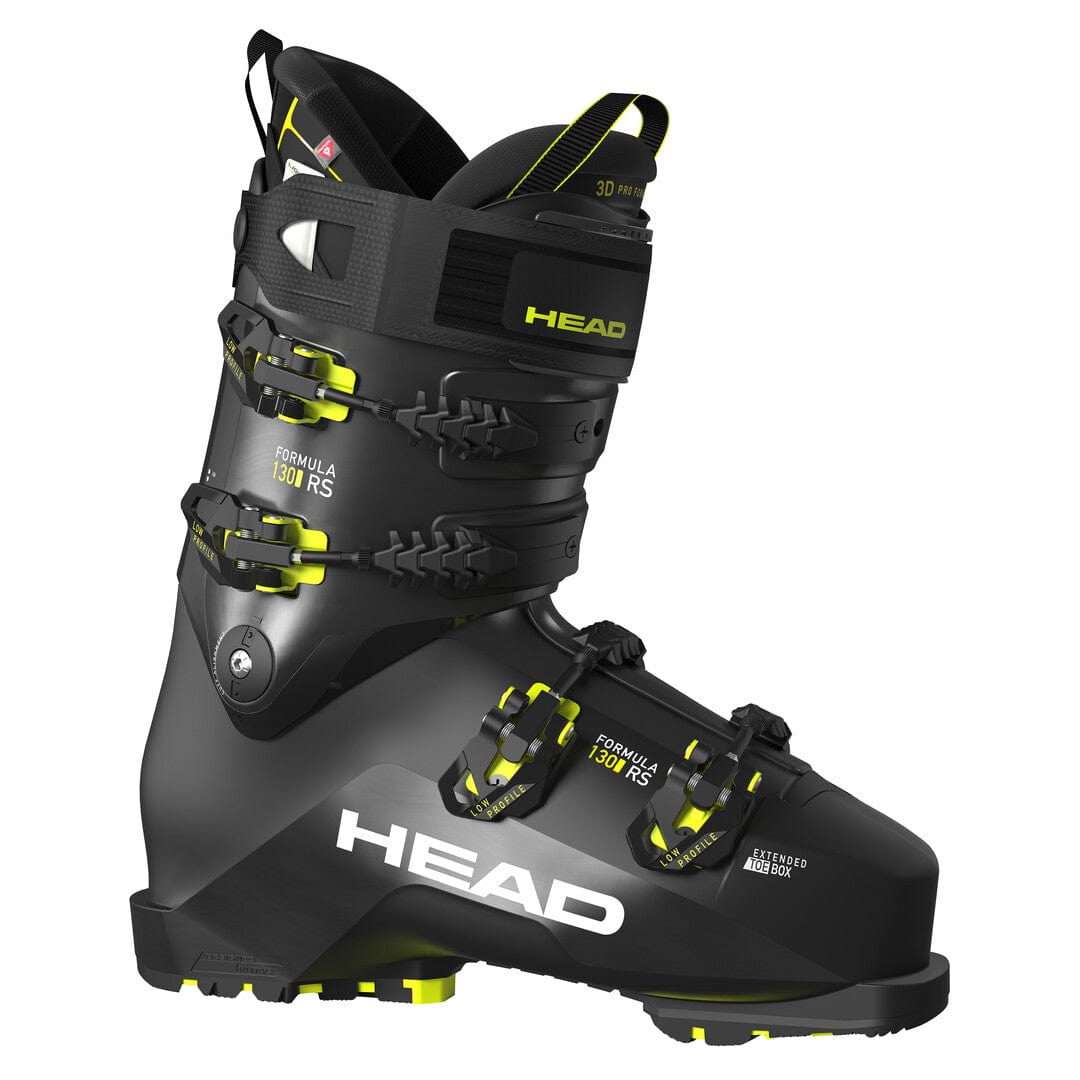
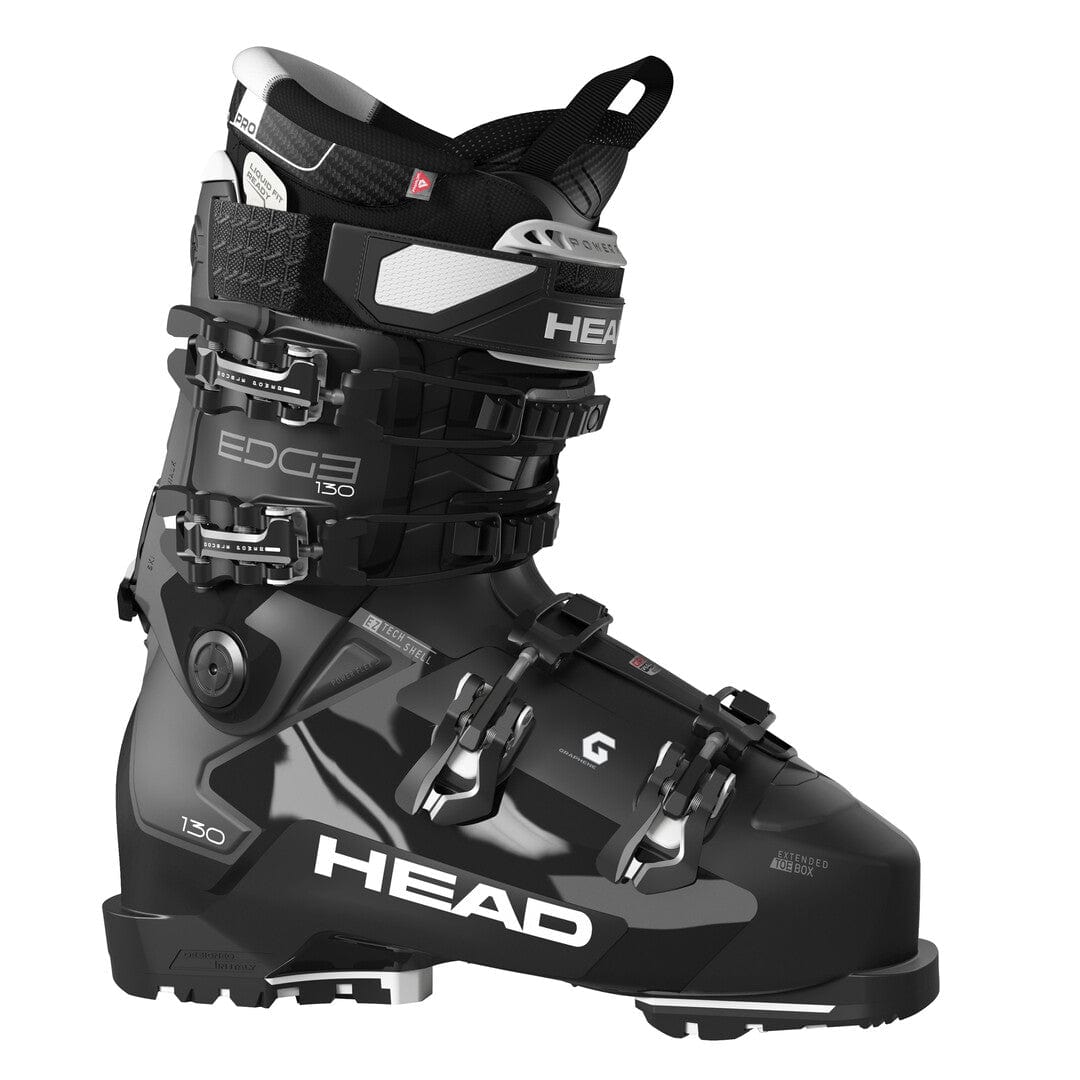
      Shop our wide selection of Ski Boots with options for every skier, ability level, and foot shape. Our Men’s and Women’s boots are chosen for proper fit, comfort, and performance across resort and backcountry skiing. For skiers looking for quick entry and even pressure across the foot, BOA ski boots offer a precise, micro-adjustable fit without the hassle of traditional buckles. If you’re not sure which boot or fit system is right for you, our bootfitters are always available in store to help get it dialed.

      194 products

      Ski boots should fit snugly around your foot, ankle, and lower leg without causing pain. A proper Ski Boot fit is tight because your boots are what transfer your movements directly to your skis. The closer the fit, the more control and response you’ll have while skiing.

      Performance-focused skiers often prefer a tighter ski boot fit for better precision, while recreational skiers may prioritize all-day comfort with a slightly more forgiving feel. There should be no heel lift, and your toes should lightly touch the front of the boot when standing upright. the best way to optimize the fit of your ski boot is to see a boot fitter, they can make the best recomendation on what boot would fit your foot the best.

      Ski boot flex refers to how stiff or soft the boot feels when you lean forward. Flex ratings are shown as numbers, with higher numbers indicating a stiffer ski boot and lower numbers meaning a softer, more flexible boot.

      Choosing the right ski boot flex depends on your strength, weight, skiing ability, and how aggressively you ski. Stronger, faster, and more advanced skiers typically benefit from a stiffer flex for increased power and control, while beginners and lighter skiers often prefer a softer flex that’s easier to bend and more comfortable. In the right flex ski boot you should be able to transfer your weight effectively by flexing the boot, while the boot retains your balance.

      Ski boot volume describes how much internal space the boot has to accommodate different foot shapes.

      High-volume ski boots offer more room for wider feet or higher insteps, while low-volume ski boots are narrower and fit closer around the foot and ankle. Medium-volume boots are designed for average-width feet.

      Choosing the correct ski boot volume helps improve comfort, reduces pressure points, and enhances overall ski control by keeping your foot secure inside the boot.